From ‘Top Gun’ fighter pilot to GP: The blood test that changed everything for Dr Tim Nelson
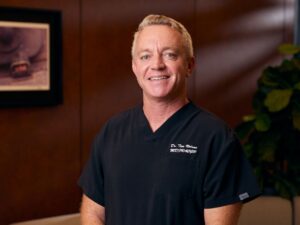
“It was a very insidious onset. I mean, in hindsight, now it is clear as day.”
Dr Tim Nelson reflects on the period when his world came crashing down.
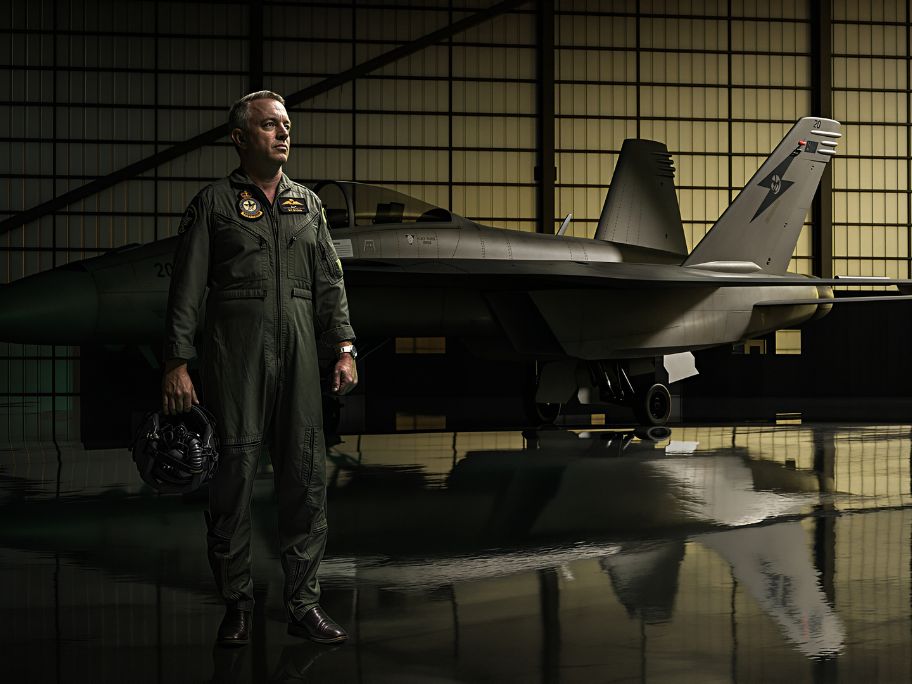
At the time, he was not a GP. He had not been through medical school; he was a ‘Top Gun’, a Royal Australian Air Force (RAAF) fighter combat instructor.
He would regularly fly at nine times the force of gravity, taking part in dogfights through canyons with pinpoint accuracy in fighter jets worth tens of millions of dollars.
But his flying career was about to end as a result of a routine medical appointment at RAAF Base Amberley, south of Brisbane.
“I probably had symptoms for at least a year. I was actually in a ground posting at the time and never ended up in diabetic ketoacidosis, but I had the classic signs of type 1 diabetes,” says the Gold Coast–based GP, who now cares and advocates for veterans.
“So polyphagia, polydipsia, polyuria. I’d had a bit of a sweet tooth, and all of a sudden, I did not like sweet things anymore. I just wanted carbonated water.”
In his annual aircrew medical, his blood glucose levels were 8.7mmol/L. They were to get worse.
His journey as a fighter pilot had been a dream run after joining the RAAF in 1999, progressing from early training to fast jets and then flying F-111s.
He later became an instructor at the Australian equivalent of the US Navy’s Top Gun school before spending three years on exchange with the US Air Force, flying the F-15E Strike Eagle.
From the blood glucose reading, he took more tests. But the blood sugars got progressively worse.
“The death knell for me was that I could not manage my blood sugars using a basal-bolus dosing regimen in the field.
“So, as soon as I needed to go to an insulin pump, then that was effectively the end of my RAAF career.”
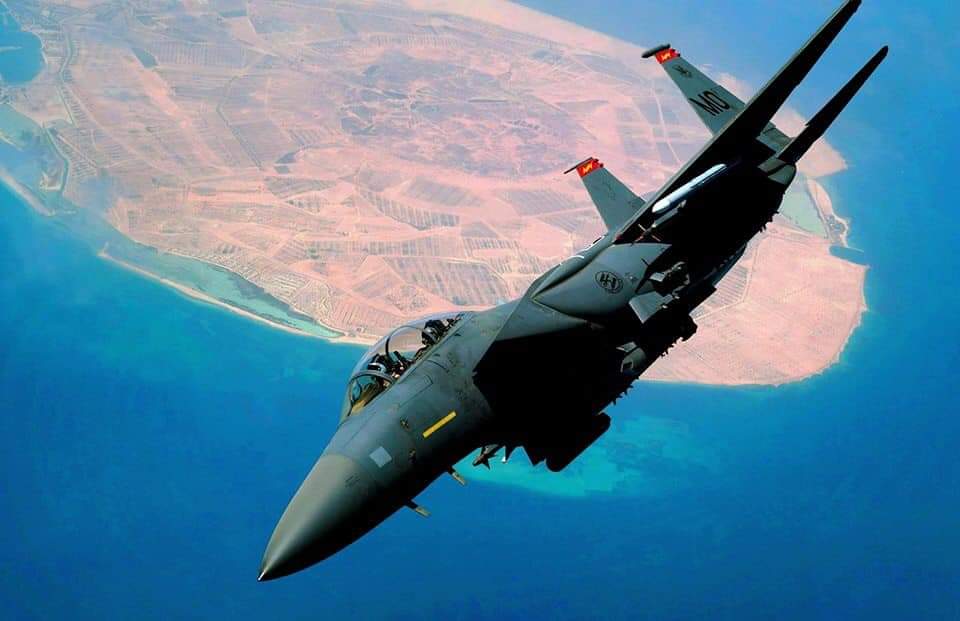
This came at a point in his career when he would likely have gone on to take command of a squadron.
But at the age of just 35, that was no longer possible as he was unable to manage the condition while in the cockpit of a fighter jet.
“It was a harrowing time in my life to be honest.
“The whole transition period was difficult. It is quite triggering talking about it. And I experienced mental health issues during that time.
“I took a long time to recover from that. Everything I had planned for and hoped for was just taken from me.”
But he found a second calling: he retrained in medicine through the Australian Defence Force, graduating from Griffith University in Brisbane before returning to work as an ADF medical officer.
“Medicine was something I had also wanted to do as an adolescent. As I matured, I felt it would be the best way to support the defence force, given I was unable to continue flying.
“I also believed it would provide me with a vocation that would enable me to help people after my time in the military.”
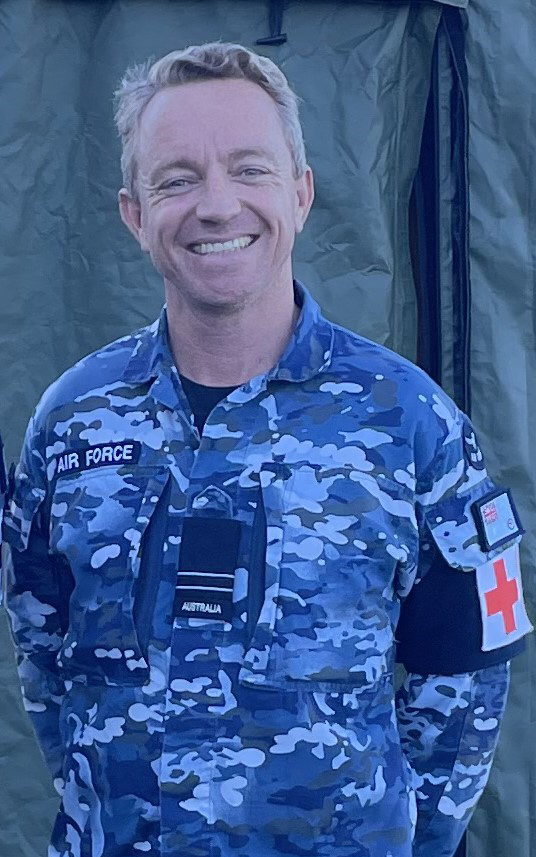
In February 2022, Dr Nelson was medically discharged after a 22-year career with the armed forces.
He has now set up a veteran healthcare service, as well as lobbying as a representative of the Coalition of Veterans for a better deal for ex-service men and women as they navigate compensation systems.
In the latest stoush, he travelled to Canberra with other veterans to protest a $5000 threshold for veterans’ allied health services, set to be imposed from July 2027.
Highly decorated veterans laid down their medals at Parliament House’s Federation Mall in protest of the cap.
Dr Nelson says meetings with Minister for Veterans’ Affairs Matt Keogh and Prime Minister Anthony Albanese have been promising.
But he says there had been no consultation about the changes with clinicians, such as himself, who look after hundreds of veterans.
He describes them as a complex group of patients — often with multiple physical and psychological conditions, requiring lengthy consultations, reports and administrative work.
They have usually entered the military straight from school, where they became part of a structured healthcare system that largely makes decisions for them.
“In defence, it is also quite adversarial. When you are going to a medical appointment, your biggest fear is that you will say something wrong or they will find something wrong with you,” Dr Nelson says.
“This could mean you are then unable to perform the job that provides a livelihood and identity.”
But for many veterans, it is after leaving the military that they face issues, becoming caught up in the labyrinth of the compensation system.
“They say, ‘You know what? I just cannot be bothered with this anymore.’”
Dr Nelson points to homelessness, isolation and veteran suicide as some of the outcomes of veterans falling through the cracks.
He would like to see more GPs caring for veterans but understands they need proper support and remuneration for that work.
While he is happy he can work for veterans in this way, he says he still misses flying.
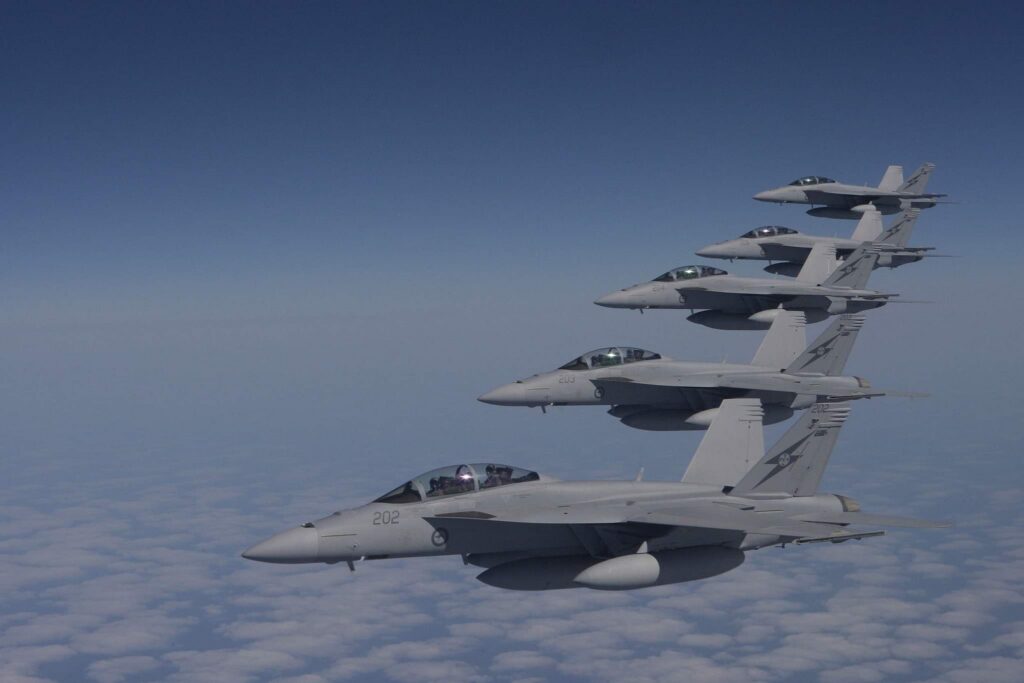
Years after he last climbed out of a fighter cockpit, the smell of kerosene on an airport tarmac brings it all rushing back.
“I love flying, but as bad as it sounds, it is not about the grace of flying,” he says.
“I actually love the aggression of flying, being in the aircraft and pulling up to 9 g.
“That weight on your body, it honestly feels like you are back on the football field and at the bottom of the ruck.
“But I really enjoyed that. It is physical, and you have got to be aggressive, but you have got to keep a cool head.
“It is that sensory overload of so much information coming in and being able to filter out what is important and what is not.
“There is excitement there; there is pressure there. But when you come back in and land, and you have achieved it and survived it, there is no better feeling in the world.”
So, Tom Cruise and Top Gun — not a Hollywood fantasy. He says he took his son to the cinema to watch Top Gun: Maverick and he was brought straight back to his flying days in the US.
“At one point in the film, they did this specific manoeuvre called an anti-G straining manoeuvre. We used to do them all the time — it was great fun.
“And as I was sitting in my seat as they were going through the canyons, I was doing the manoeuvre in the cinema. That is how realistic it is.”
But most importantly, what was Dr Nelson’s call sign?
“I had a few. I am going to leave it at that,” he laughs. “I guess the most PG one was in Australia, where they used to call me ‘Nelso’ — just off my surname.”
He talks warmly of his time with the RAAF, but his personal experiences were tough when his career came to an end, experiences that influenced his future life.
“I feel like I have found my purpose now,” he says.
“My next focus is helping to support and educate GPs on how we can look after the veteran community.
“Our veterans signed on the line to give their all, up to and including their lives, for the defence of our country.
“The least we can do is provide them and their families the best possible care and support we can as a country.
“They deserve this and much more.”