AusDoc special report: Professor Bruce Hall, excommunication and the Nobel prize for medicine
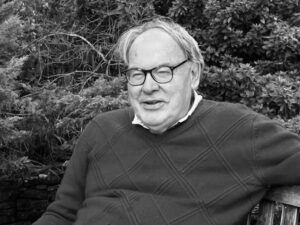
When the laureates of the Nobel prize for medicine were announced last week, Professor Bruce Hall was not surprised.
Still, the news hit hard.
Sitting in his car at his Blue Mountains weekender, the immunologist felt a mix of resignation and anger.
The prize, he says, was purporting to recognise discoveries that were first made in his own laboratory three decades ago — work he believes laid the foundation for the very research now being celebrated.
“Somebody’s won a Nobel prize, and I did play a significant part in it.
“That’s vindication, I suppose,” the 78-year-old says.
Some of you may recognise the name. As you will discover, the honorary professor of medicine at UNSW Sydney has a claim to be regarded as one of Australia’s most important scientists.
His work in the late 80s, early 90s led to a paradigm shift in our understanding of T-cells and how their activities are kept in check.
Alongside a clearer understanding of the genetics, this shift is now leading to new ways to treat cancer and a raft of autoimmune diseases.
But Professor Hall is also someone who came close to excommunication from the scientific community altogether.
Accused of scientific fraud, he spent millions of dollars and 10 years of his life before finally clearing his name. But he believes the stains on his reputation have remained unwashed, and for him, that partly explains why last week he was overlooked for medical science’s greatest honour.
This is his story.
Dr Norman Swan’s two hours
In 2002, Dr Norman Swan aired a series of serious accusations alleging scientific misconduct against Professor Hall and his wife, Associate Professor Suzanne Hodgkinson, on ABC Radio National’s The Science Show.
As Dr Swan explained a week later in the pages of The Australian, he had done so with a heavy heart.
“I know Hall and Hodgkinson, and we have friends in common,” he wrote. “So when an overwhelming set of allegations were laid before me a couple of weeks ago, I drew breath deeply.
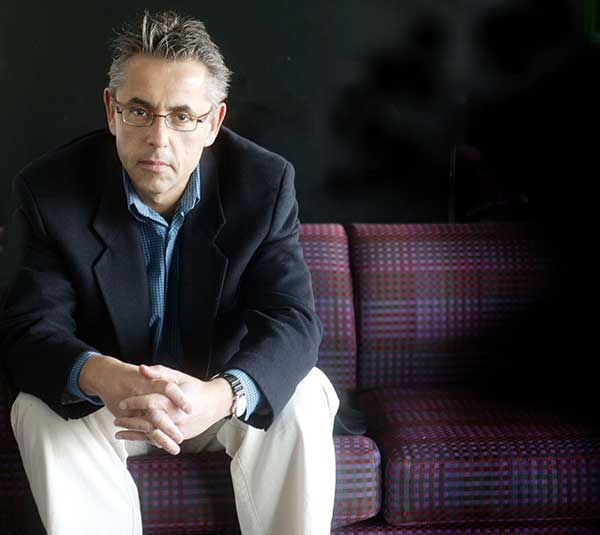
“This was not a William McBride, whose reputation in the medical community was already tattered before I exposed his scientific fraud. This was Bruce Hall, whose work I had admired from afar.
“It was not someone like McBride, whose research didn’t make the grade to win competitive grants. It was someone whose research was respected by colleagues.
“But it only took two hours to convince me there was a prima facie case of major misconduct on a wide front.”
He said he had been told that Professor Hall had republished data published years before, presented results of experiments that had not taken place, and misrepresented results for an NHMRC grant application.
Along with this was the claim that he had misappropriated NHMRC funds.
Bemoaning the slow response of UNSW Sydney where Professor Hall was professor of medicine, Dr Swan repeats the time it took to convince him to go public — two hours.
Escaping wormholes
Had Dr Swan known what was to come, he might have taken a little longer.
The scale of the affair may have been hard to predict. There were two internal inquiries by UNSW Sydney, one headed by the dean of medicine. They found no overwhelming evidence to support the complaints.
But within weeks of the Dr Swan broadcast, an external inquiry was announced, which would be chaired by Sir Gerard Brennan, a former chief justice of the High Court.
He was supported by a string of senior university figures including Sir David Weatherall, the Regius Professor of Medicine at the University of Oxford.
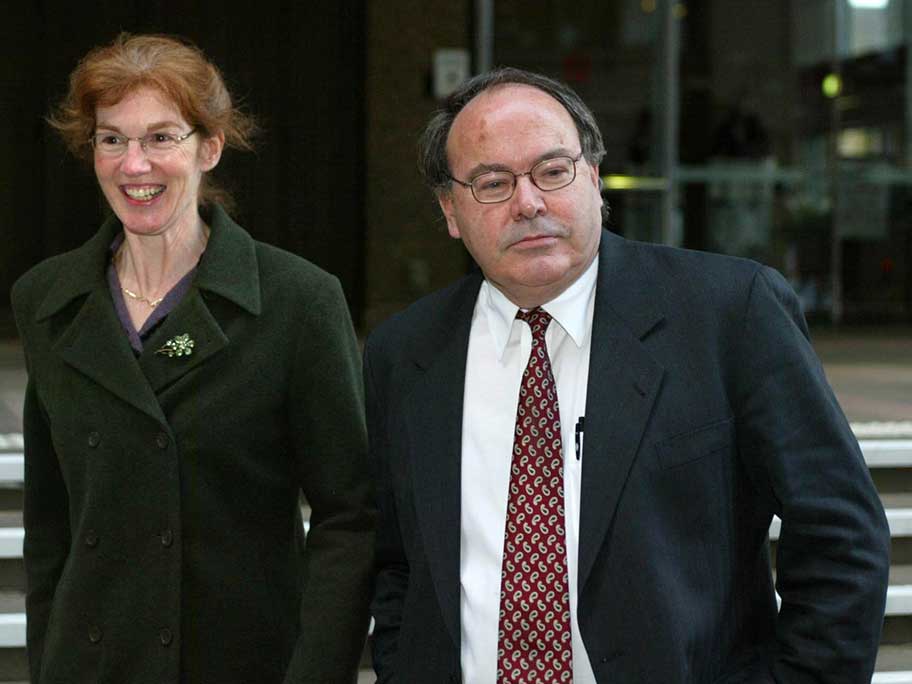
It would cost the university about $1.5 million.
By all accounts, despite the distinguished minds on this inquiry team, it included no expert in immunology. As a result, it allegedly struggled with the complexity of the work being done in Professor Hall’s lab.
It was, after all, at the rats-and-mice end of the research spectrum rather than the phase I-IV clinical end.
So, when the Brennan inquiry made findings of scientific misconduct against Professor Hall, they were immediately thrown into question.
As often happens, the story was already heading down numerous wormholes, with demands for investigations into the investigations.
At one point, the Australian Federal Police, the NSW Ombudsman and the state’s Independent Commission Against Corruption were said to be taking an interest.
The university’s judgment on the saga was published some 18 months after the ABC broadcast and was written by Vice-Chancellor Professor Rory Hume. It too was deemed highly controversial – the university casting judgement on one of its own. It’s independence was questioned. But he cleared Professor Hall of scientific misconduct.
There was no attempt to deceive or doctor research, he said. But there had been two errors of judgment sufficient to warrant censure, along with administrative failures, as well as a failure to check an abstract for accuracy before being published (you can read a complete list of the findings against Professor Hall in this 2004 MJA article).
His mistakes were honest ones made under extenuating circumstances. This was far from the fraud that had originally been alleged.
By 2006, Associate Professor Hodgkinson, director of neurology at Liverpool Hospital in Sydney and medical researcher, had received a significant payout — rumoured to top a million dollars — from the ABC for defamation after a jury found in her favour [* see footnote].
But it would not be until 2014, following his own slow and protracted libel case, that Professor Hall would also secure some sort of justice — the sort that is long delayed and where the apologies seem muted.
In March that year, the Supreme Court of NSW ordered that a judgement be made in favour of Professor Hall with “an agreed statement” read out in court.
The ABC had to pay all costs, including $1 million in legal fees accrued by Professor Hall.
The broadcaster made no admissions and issued a public statement suggesting it was a mutual agreement to avoid both parties facing the hyper-expense of a libel trial.
“The ABC and Dr Swan thought it pragmatic and commercially sensible to resolve the dispute informally,” it suggested.
A few days later, Professor Hall rubbished this, having been given his own opportunity to write in The Australian.
He said that before the Dr Swan broadcast, his wife had told the ABC the material provided by the complainants was fabricated and incomplete, but it refused to wait a day for her to return from overseas to provide evidence.
The ABC had also accepted that he was not given an opportunity to respond before the broadcast, contrary to the ABC’s “preferred and usual practice”.
He added: “The ABC claimed financial fraud but could not identify any item that was misspent, nor could the NSW Auditor-General in 2002.
“An independent scientist that Dr Swan spoke to before the broadcast, Dr Robert Loblay, told the ABC afterwards its information was wrong and he had been misled before The Science Show went to air. He publicly admitted his error in April 2004.”
Professor Hall continued: “The ABC claimed experiments were never done, and it had all experimental records, but its copies of books were incomplete and the missing pages recorded the experiments. These are facts, not opinion.
“Unfortunately, my defamation is not an isolated example. I am aware of others who either could not afford or did not need to sue for defamation.”
A decade later, he says the experience keeps him awake at night. The dark times still haunt him.
The Nobel prize for medicine
Last week the Nobel Prize in Physiology or Medicine was awarded to three scientists – Dr Mary Brunkow (PhD), Dr Fred Ramsdell (PhD) and Professor Shimon Sakaguchi.
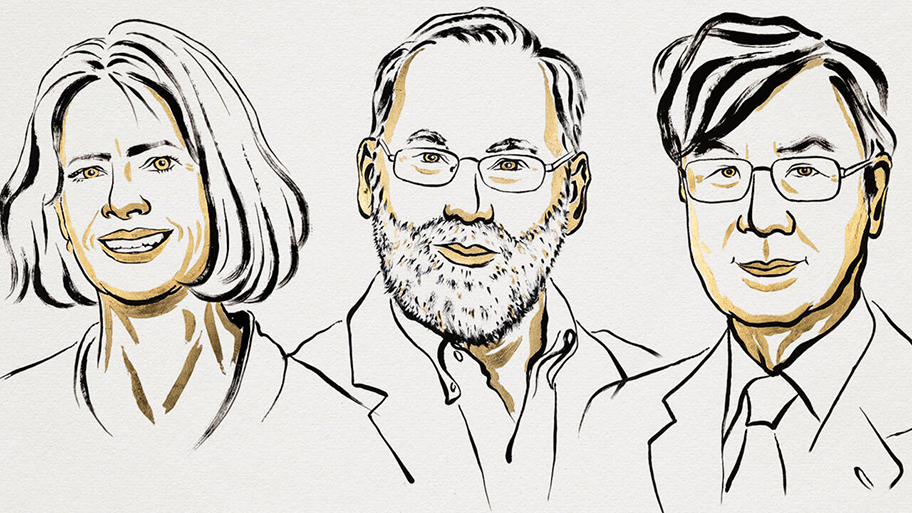
It was in recognition of their discoveries concerning peripheral immune tolerance — in short, their work offered a detailed picture, through the discovery of regulatory T-cells, of the way the brutal efficiency of the immune system is held back from attacking the body’s own cells.
Back in the 1980s, it was understood that when T-cells develop in the thymus they go through a selection process where fragments of the body’s proteins are presented to our T-cells.
Any T-cell attaching to these specific proteins is then eliminated. The evolutionary logic is simple — it means only the T-cells equipped with receptors equipped to identify alien microbes are released into the body.
This process was dubbed the central tolerance test — as the Nobel assembly describes it — a central pillar of the adaptive immune system.
Around this time, however, there was an idea that there were other cells at play, so-called suppressor T-cells, which could slip through the test but could then go on to inhibit the body’s immune response.
It was controversial and the research meant to support the hypothesis was found to be false. Consequently, the field was vacated because it was seen as a sinking ship.
According to the Nobel prize website, one researcher was unwilling to abandon it. This was Professor Sakaguchi.
The Japanese medical scientist had come to believe that the immune system did have a security guard, a T-cell that could “calm down” other T-cells and keep their activities in check.
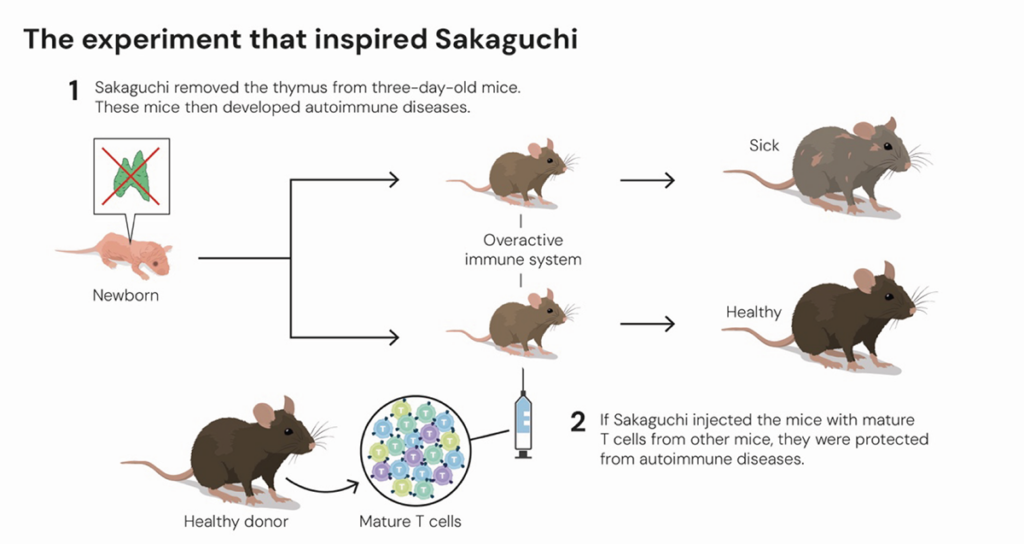
This was partly based on an experiment where researchers had surgically removed the thymus from mice. The expectation, at least in line with the central tolerance test, was that the mice would develop fewer T-cells and have a weakened immune system as a result.
However, they found that if the operation took place three days after the mice were born, the immune system went into overdrive and ran amok.
So surely that means there was another kind of T-cell at play?
In 1995, according to the Nobel prize assembly, Professor Sakaguchi presented “an entirely new class of T-cells to the world”.
He had shown that if you injected mice with T-cells bearing a protein called CD4, but removed the CD4+CD25+ subset, the mice developed serious autoimmune disease.
These included thyroiditis, gastritis, insulitis and adrenalitis.
However, if you added T-cells with CD4+CD25+ then the mice remained healthy.
These new types of cells, identified by Professor Sakaguchi, effectively worked as security guards by dampening the immune response and would become known as Treg cells.
Professor Sakaguchi‘s key paper, cited by the Nobel prize assembly, was published in The Journal of Immunology in 1995.
It concluded that the “abnormality of this T-cell-mediated mechanism of peripheral tolerance” could be a possible cause of various autoimmune diseases.
But the originality of this paper is what Professor Hall disputes.
Five years earlier, he says with colleagues in the department of renal medicine at Royal Prince Alfred Hospital in Sydney, he had shown the same population of regulatory T-cells at play as mediators in the context of his research work looking at organ rejection in the context of transplantation.
Published in the Journal of Experimental Medicine, it carried the hefty title:
Specific unresponsiveness in rats with prolonged cardiac allograft survival after treatment with cyclosporine — further characterisation of the CD4+ suppressor cell and its mechanisms of action.
“My group’s discovery was original, solved an important problem, and has had a long-term effect,” Professor Hall says.
“Our publications on T regulatory cells made a major paradigm shift in the important field of immune tolerance … and my group was the first to discover the role of the CD4+CD25+ T regulatory cell.”
He explains that these specific T cells can stop rejection, allowing non-specific immunosuppression to be reduced or potentially stopped.
“They stop normal tissue from activating the immune system, and when there is autoimmunity, such as multiple sclerosis, they can stop the immune activation and reduce disability.”
Professor Hall says that Professor Sakaguchi’s paper, while in a different research field, should have explicitly referenced his work.
They were, after all, known to each other, with Professor Sakaguchi having worked in a laboratory in the early 1990s literally around the corner from Professor Hall’s laboratory at Stanford University in California.
They were not friends or close colleagues, Professor Hall says, but they did talk from time to time.
The Nobel prize assembly’s own scientific report attempts to document the research background behind Tregs, and on page seven it does briefly refer to “parallel investigations in transplantation biology” by Professor Hall and the renowned Sydney pathologist Professor Susan Dorsch.
The committee’s scientific paper states that in their 1990 paper, they described a lymphocyte subset with an inhibitory function. As the title suggests, this was in cyclosporin A-treated mouse recipients of heart allografts.
“Hall and Dorsch described these as CD4+ [T-cells] and later reported that they also expressed CD25+,” the committee noted.
It then added: “At the time, the fields of transplantation biology and immune tolerance had little overlap and investigators in the two respective fields did not exchange information or consolidate their results on a frequent basis.
“Hall and [Dorsch] did not investigate whether the cells they had identified played a role in self-tolerance under normal physiological conditions, in the absence of cyclosporin A treatment.
“Thus, definitive evidence to explain immune tolerance in a broader sense was lacking.”
There are leading researchers who believe this history is seriously misinformed.
AusDoc spoke to Professor Megan Sykes, professor of microbiology and immunology and surgical sciences at Columbia University in New York.
She acknowledges much of what the Nobel prize committee says.
The reasons there are three names honoured this year is that Dr Brunkow and Dr Ramsdell, following the breakthrough with ‘Tregs’, went on to discover the FOXP3 gene as a transcription factor critical for their role.
It is this genetic work that has clearly been fundamental in creating a pathway for real-world applications of what Professor Hall/Professor Sakaguchi discovered.
And she also stresses that Professor Sakaguchi has gone on to make what she says are “many seminal discoveries on the biology of these regulatory T-cells.”
But she told us: “Bruce Hall was the first to identify CD25 as a marker of regulatory T-cells.
“He demonstrated this in a rat model of cardiac allograft tolerance and published it in the Journal of Experimental Medicine in 1990.
“This was a seminal finding, as it was the first to show that a small subset of CD4+ T-cells had tolerance-inducing regulatory function.
“Because it is expressed on the cell surface, CD25 is an accessible marker of ‘Tregs’ that allows their depletion, selection and adoptive transfer and has been widely used in experimental and clinical studies.
“I believe that Professor Hall’s findings were of such importance that it would have been appropriate to acknowledge them in the awarding of the Nobel prize.”
She said Professor Sakaguchi had shown that the CD25+ subset of CD4+ T-cells was responsible for preventing autoimmune disease in mice, thereby demonstrating the importance of this subset in maintaining normal self-tolerance.
Professor Mark Nicolls, head of respiratory medicine at Stanford University’s school of medicine, agrees with her.
“My history is that I was a Stanford medical student working in [Professor] Hall’s lab in 1990 where I was doing immune tolerance research under his mentorship.
“Because of this formative and positive experience, I have continued to work in the field of Treg biology.”
He said two years ago he was asked to give a presentation on Tregs in pulmonary disease at the Stanford Cellular Immune Tolerance Symposium.
“Because there are many who don’t know the history of Bruce and Tregs, I created a slide of what I considered important local history at Stanford. It showed the floor plan of the storied Grant Building slated to be demolished in the next few years.
“[It showed] the physical proximity of key labs in the immunology field … I mention this only to emphasise that this local intellectual ‘geography’ was ripe for the discovery, such as the impactful new immune concept — the regulatory T-cell.”
He said Professor Sakaguchi did postdoctoral research at Stanford University in the lab of Dr Samuel Strober, famed for his work on the elimination of lifelong immunosuppressive drugs in organ transplant patients.
“This was around the corner, from Bruce’s lab, and my understanding is that he discussed Bruce’s findings with him at the time and was very influenced by this interaction.
“We have all been tremendously influenced by the subsequent pioneering work that Professor Sakaguchi did to extend Bruce’s original discovery of this unique T-cell with immune regulation properties in transplantation in 1990.”
AusDoc also spoke to Professor Geoff McCaughan, head of the Liver Injury and Cancer Program at the Centenary Institute in Sydney, to get his perspective.
He describes Professor Hall’s history as a “complex story” but adds, “I don’t think there is any doubt that Bruce’s laboratory first described CD4+CD25+ T-cells that induce adult transplantation tolerance.”
“So, the question is, what did Sakaguchi add that made him prominent in the field and not Bruce?”
“I don’t know the answer to that.”
He also questions the Nobel committee’s scientific paper suggesting there was little overlap between transplantation biology and immune tolerance — that the two fields existed in relative isolation from each other.
“Suggesting that suppression of autoimmunity and transplantation tolerance were in 1995 thought to be totally separate does not withstand intellectual scrutiny,” he says.
Professor Sakaguchi responds
Last Thursday, AusDoc spoke to Professor Sakaguchi, who is now a distinguished professor of Osaka University in Japan.
He says he knew Professor Hall while working at Stanford, and that they regularly spoke to each other. And he also says he was aware of Professor Hall’s 1990 paper.
But he stressed that his own landmark paper explicitly focused on the literature around natural self-tolerance and autoimmune disease and therefore did not extend its discussion to the separate field of transplantation tolerance.
Furthermore, Professor Sakaguchi argued the conceptual link and overlap between his work and Professor Hall’s only became clear in later years and was not apparent in 1995.
“Our work is on autoimmune diseases, not transplantation tolerance,” Professor Sakaguchi tells AusDoc.
“So it’s not transplantation, it’s a natural self-tolerance, and this is what the Nobel committee recognised.
“What we are saying is that peripheral tolerance prevents the disease development.”
When pressed on whether he accepted Professor Hall’s claim that his work should have been cited in the 1995 paper and ultimately in the Nobel prize submission, he was unequivocal: “I don’t accept that.”
But he added that in subsequent papers, once the fields began to converge, he did cite Professor Hall’s work.
Professor Hall’s redemption?
The story is likely to continue.
Last Friday, Professor Hall wrote to Professor Olle Kämpe, chair of the Nobel Committee, to inform him about his published work on regulatory T-cells.
“I am concerned that your determination relates to Professor Sakaguchi’s discovery of CD4+CD25+T regulatory cells,” he wrote.
“Senior internationally recognised immunologists know my group were the first to describe a CD4+CD25+ T regulatory cell.”
Both Professor Nicolls and Professor Sykes worry that the shadow cast by the misconduct claims may have obscured his contributions, perhaps made people wary of publicly acknowledging his achievements.
“[Professor] Hall was very unfairly maligned in the past, and the immune tolerance field is the worse for it,” Professor Nicolls says.
Back in 2014, Professor Nicolls and Professor McCaughan were among 49 scientists in transplantation and immunology who wrote to the Medical Journal of Australia after the Supreme Court of NSW defamation case was settled by the ABC and Dr Swan.
“Now that this affair has concluded, his peers wish to acknowledge the very significant contributions Professor Hall has made to the field of transplantation over the past 30 years,” the letter states.
“In doing so, we believe it is important to note that all of these contributions have subsequently been independently validated by other research groups, a process which remains the truest test of scientific discovery and verifies the integrity of the original observations.”
It concludes: “It is our sincere hope that the damage to Professor Hall’s reputation can now be repaired and that he be given the opportunity to re-establish his research career without further impediment.”
Today, Professor Hall says that never really happened.
“The totally false claims of Norman Swan continue to harm me, and delay work that could make transplants more successful and treat autoimmunity,” he says, referring to underfunding.
“I still suffer. My wife says that a lot of people wouldn’t have survived. It was that relentless.”
Professor Hall sees his life as a story of a search for vindication.
He continues his research in the field, based at UNSW Sydney’s Immune Tolerance Laboratory.
“Look, I think the Nobel prize announcement last week has the potential to make people realise that what I was doing was important.
“It still is, and I’d like to do a bit more.”
AusDoc contacted the Nobel Foundation for a response, but it referred us back to its website.
[*] 2006 was the same year that the Australian Communications and Media Authority admonished the broadcaster for a follow-up Science Show program on whistleblowers which featured Dr Swan recounting his version of the Hall case. The authority said the program was unfair and had failed to offer Professor Hall the chance to defend himself.