How this nurse’s idea improved diabetes outcomes — and even got patients to the gym
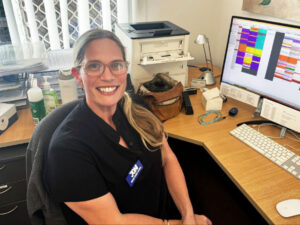
When practice nurse Joni Mackenzie heard that local diabetes patients were waiting up to six months for an appointment at the public clinic, she decided to do something about it.
She works at a GP practice in Alstonville, in the Northern Rivers region of NSW, which was hit by devastating floods in February 2022, destroying the centre of Lismore, the region’s hub.
The rebuild affected health services across the region, contributing to long waiting lists for many services, including specialist diabetes care and public diabetes clinics.
After patients complained to Ms Mackenzie, the credentialled diabetes educator thought she could play a role in bringing accessible, community-based diabetes management closer to home.
“I knew I wanted to do something to help these patients with diabetes and empower them. And I thought, ‘Well, how am I going to go about doing it?,’” the 46-year-old said.
She came up with a proposal for a nurse-led clinic, to provide type 2 diabetes patients with 45-minute one-on-one assessments with her to check their HbA1c levels, lipid profile and urinary albumin and creatinine.
The second part of her plan was to hold weekly education sessions, in groups of six, on diet and exercise, as well as explaining to participants why their doctors were asking them to undergo seemingly disparate tests.
“A lot of the patients are like, ‘I do not understand why I have got to go and have this renal function test,’ or, ‘Why do I have to have my eyes checked,’ or, ‘Why are the nurses checking my feet?’
“So, by taking a group approach, we are able to explain to them exactly why we are doing these checks and get the education out to more people faster.”
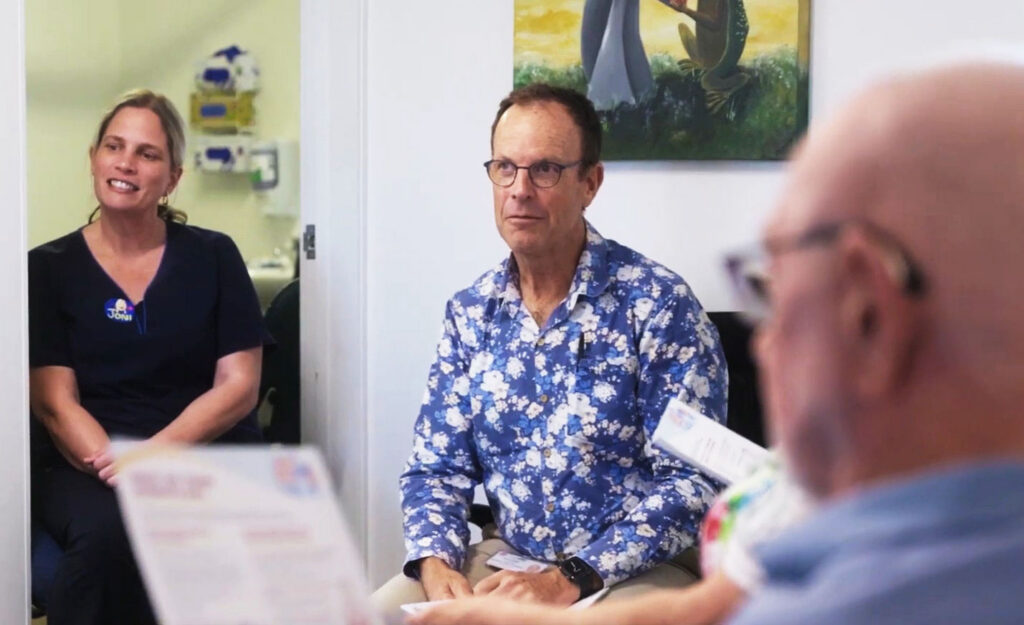
When she pitched the idea to the monthly staff meeting, GPs and colleagues at Alstonville Clinic fully supported the concept.
They agreed to let her use a small building at the back of the main GP practice — a set-up Ms Mackenzie says makes it far easier for many patients to attend.
“It is just a little house behind the GP clinic, and we have got ramps and our own little car park,” she said. “They can park their little gopher [mobility scooter] and come straight in.”
With help from a grant via the government-funded Building Nurse Capacity program and guidance from the Australian Primary Health Care Nurses Association, she opened her diabetes clinic in 2024.
GPs began to refer patients to her while the practice got the word out on its Facebook page and put up flyers.
Medicare rebates for credentialled diabetes educator–led assessments and education groups covered the cost, making it free for patients.
Patients began making appointments, while the education sessions also expanded, with Ms Mackenzie inviting other local health professionals to give talks to her groups.
“I pulled in the local dietitian, who also works here at the clinic,” she said.
“She spoke about eating to lower blood sugar levels and cholesterol and even took them through supermarkets to teach them how to read labels.”
Other contributors included an exercise physiologist who helped to teach chair-based exercises for older participants, a renal clinical nurse consultant who explained kidney health and a podiatrist who demonstrated foot care.
The Alstonville Clinic also helped set up an exercise group for patients at a local gym, which has become a social activity for the group.
“Now, they go to the gym and have a chat and a coffee afterwards,” Ms Mackenzie said.
“Sometimes — it is so funny — if they see me coming into the coffee shop, they tend to hide the plates. I just go, ‘I am not looking, fellas!’”
Ms Mackenzie has also focused on improving diabetes monitoring processes within the clinic itself.
“I have educated the other nurses to ensure we are doing all the diabetes checks properly: HbA1c, blood pressure, weight, belly circumferences,” she said.
“That has been really promising in terms of our clinic nailing all those targets.”
She often reviewed patients shortly before they attended endocrinology appointments, making sure up-to-date data were available, which she said helped patients get more out of their appointments when seeing a specialist.
Her GP colleagues also noticed improvements in their patients’ HbA1c levels and lipid profiles.
“We have seen demonstrated improvement in their clinical outcomes,” said practice partner and GP Dr Tony Lembke.
“From our point of view, the clinic has improved patients’ engagement and identification with the practice.”
Ms Mackenzie said this kind of community engagement was what she loved about primary care nursing.
“I knew I wanted to do something to empower patients.
“I believe that, if we can catch the problem at the root, then people do not need to end up in hospital.”
Read more: