No salary, long days and windowless cabins — why this nurse keeps returning to work on hospital ships
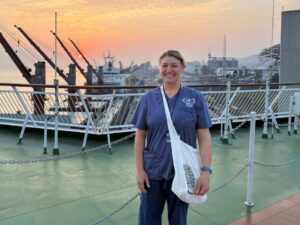
The days are long, the cabins leak and medical professionals do not get paid, but RN Yvette Caruso says she plans to take an annual trip on a Mercy Ship.
The Perth-based nurse recently completed her second mission with the volunteer-run hospital ships that deliver surgery in African communities and train local health workers.
Ms Caruso had watched her sister, an emergency medicine specialist, go on trips with Médecins Sans Frontières for years, so when she heard about the ‘floating hospitals’, her interest was piqued.
Now that she has been on two rotations, she is determined to continue the work at least annually.
“What really struck me is the gratitude, reverence and beauty of the people there,” she tells AusDoc.
“You might go into a holding bay in a Western hospital and people will often be grumpy because they have been fasting or they have been delayed or the case is bumped because of emergencies.
“But on the ships, you walk into the preop holding bay, and it is like a party is going on.
“They are just so grateful. They could have been travelling for days, or even a week, to get there.”
She first signed up in 2018, but pandemic disruptions delayed her initial month-long mission to Madagascar until 2024. She returned from a second trip to Sierra Leone in January this year.
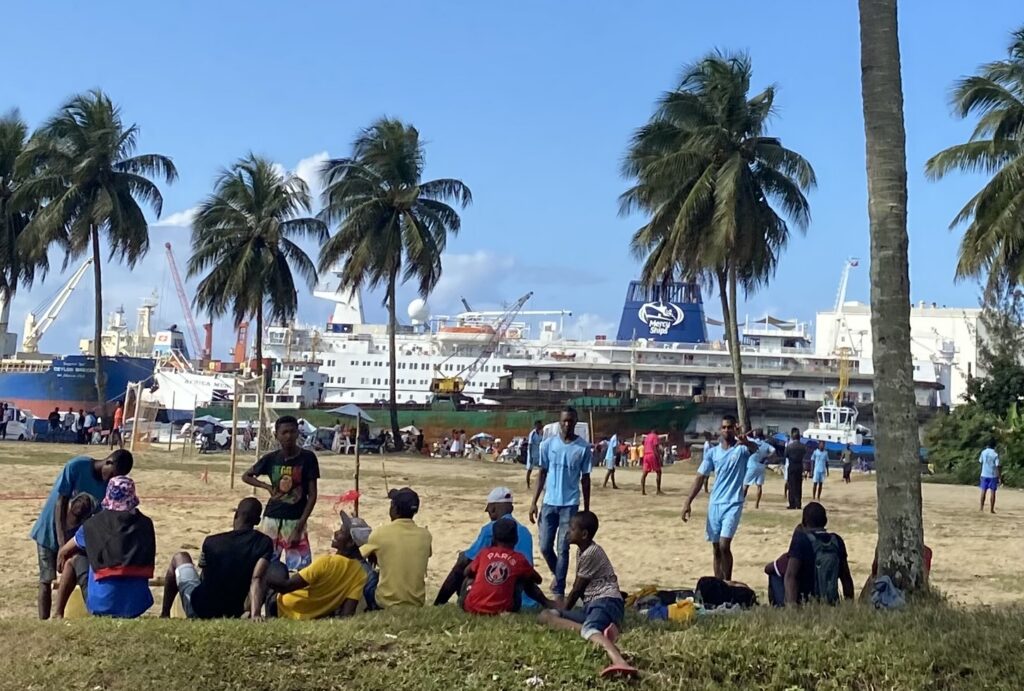
Volunteers on board include nurses, surgeons, IT staff and cooks. They pay their own fares, receive no pay and are accommodated on the Mercy Ships in rotations or missions that typically last anywhere from two weeks up to two years.
The two Mercy Ships — one purpose built and the other an old passenger ship — have been operating since the early 1980s and do almost 5000 surgical procedures a year.
Patients have already been screened in towns and cities for conditions that could be treated surgically, including diseases, injuries and disfigurements.
They then make the trip to the port, where the ship is docked for 10 months at a time. For some of them, this can mean days of travel along poorly maintained roads.
“You see a lot of disfigurement — such as people with goitres, cleft lip and huge haemangiomas — which are considered taboo as though they are cursed because they have got this condition,” Ms Caruso says.
For the volunteers, just getting to the ships takes days. Ms Caruso’s journey to Sierra Leone was a 60-hour epic involving four flights, a ricketty ferry and a bus ride, while Madagascar was two flights and a 14-hour bus trip over terrible roads.
On arrival, volunteers have orientation, and then it is down to work, assisting in operations five days a week, from 7.30am to 6pm, including two nights on call.
Surgery on a hospital ship brings challenges beyond those of a typical operating theatre.
Imaging is available on board, but pathology is not, meaning teams are sometimes operating on tumours and other growths without knowing whether they are benign or malignant.
Although the ship is docked, the motion of the sea can still tilt the boat, and Ms Caruso has learnt to keep an eye on her scrub trolley to make sure it does not roll away with the rocking of the boat.
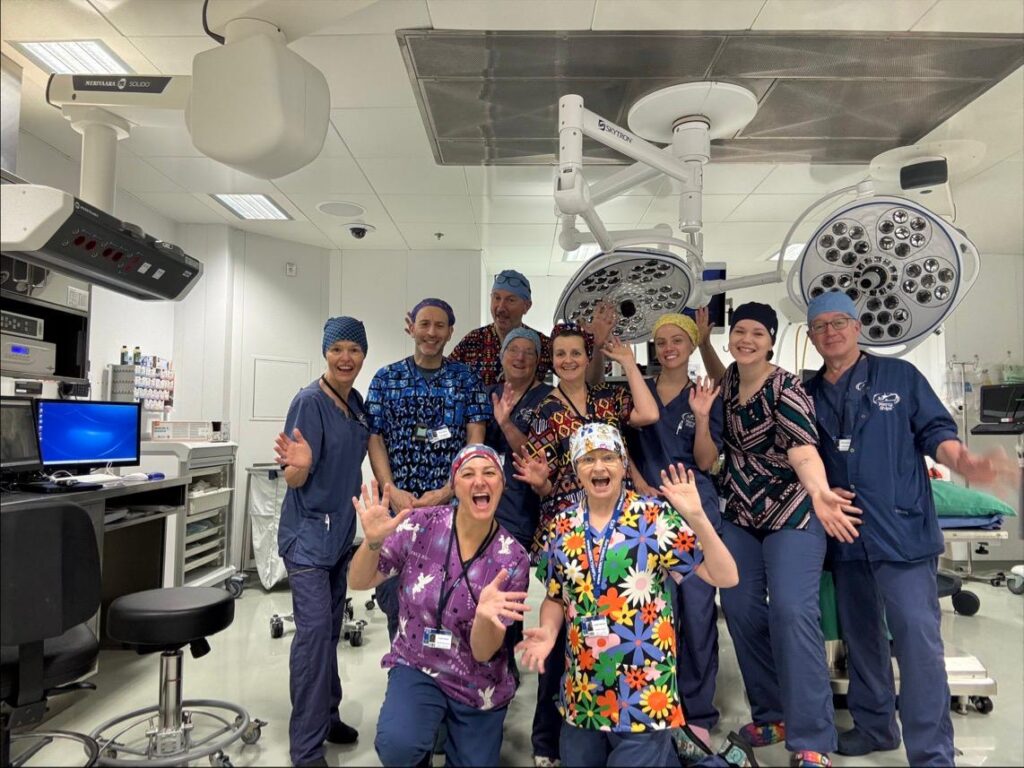
As a Christian-run organisation, all of the operations begin with a prayer.
“I actually think it is really lovely to stop and take time out to wish the best for that patient and their family,” she says.
“I am not religious, but I believe that the values of compassion, care, kindness and trying to help out people less fortunate than us is something that we can and should be able to do.”
Ship life also takes some adjustment.
On her first trip to Madagascar on board the Africa Mercy, the older of the two ships, Ms Caruso shared a windowless cabin, which was below the waterline, with five other volunteers.
“Coming from the Western world, I did find it a little bit challenging,” she said.
“The old ship was leaking, and the vacuum suction toilets got stuck.
“But the collegiality and the like-minded compassion of people who are there made it like a village.”
Her stint in Sierra Leone, on the larger 12-deck Global Mercy, was more comfortable, sharing a room with just one or two others.
Both ships also have a coffee shop, library, a pool and a gym, and events like movie nights and a run club.
The January heat was intense, averaging around 35°C, and the air was both humid and smoky from burning garbage.
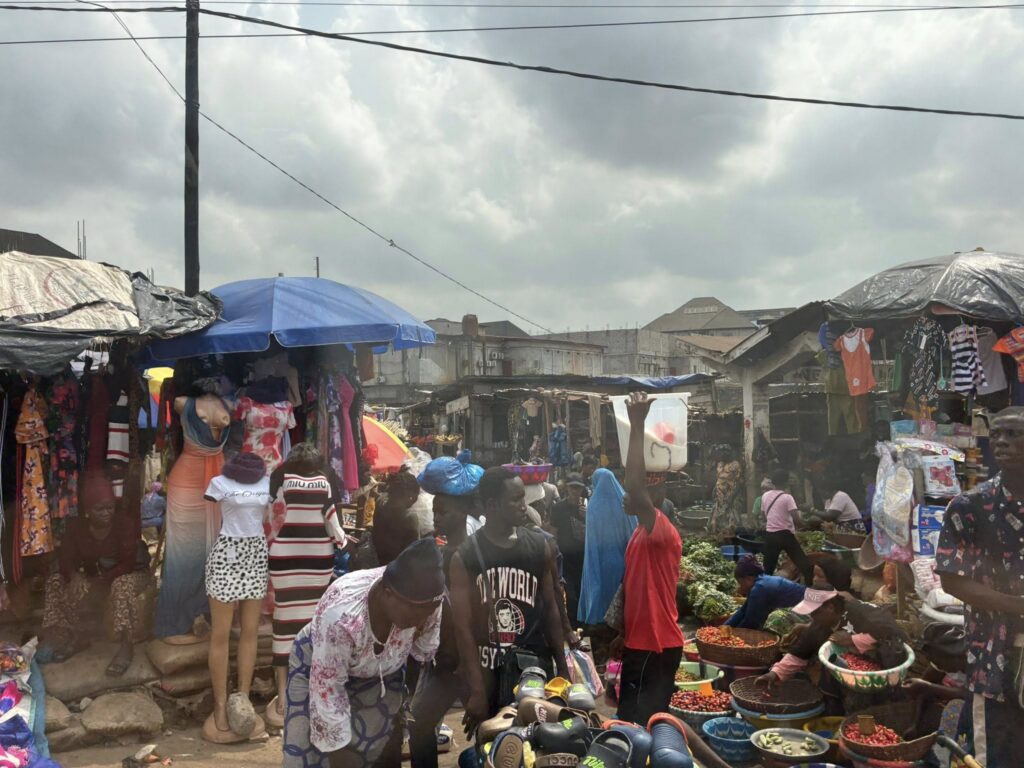
“You go out to get ‘fresh air’ and it is like smoking or eating an ashtray! But it makes for beautiful sunsets.”
On days off, she explored local markets, visited an orphanage and took a two-day trip to see lemurs in the wild.
Despite the less-than-luxurious living conditions and hard work involved, Ms Caruso, 50, intends to make it a yearly ‘holiday’ to spend time on the Mercy Ships.
“Ideally, while my kids are still in school and I have got other commitments, I would like to be able to go for a month a year and maybe extend that in the future as the kids get older.
“It is something I am hoping to do long term.”
Read more: How this nurse’s idea improved diabetes outcomes — and even got patients to the gym